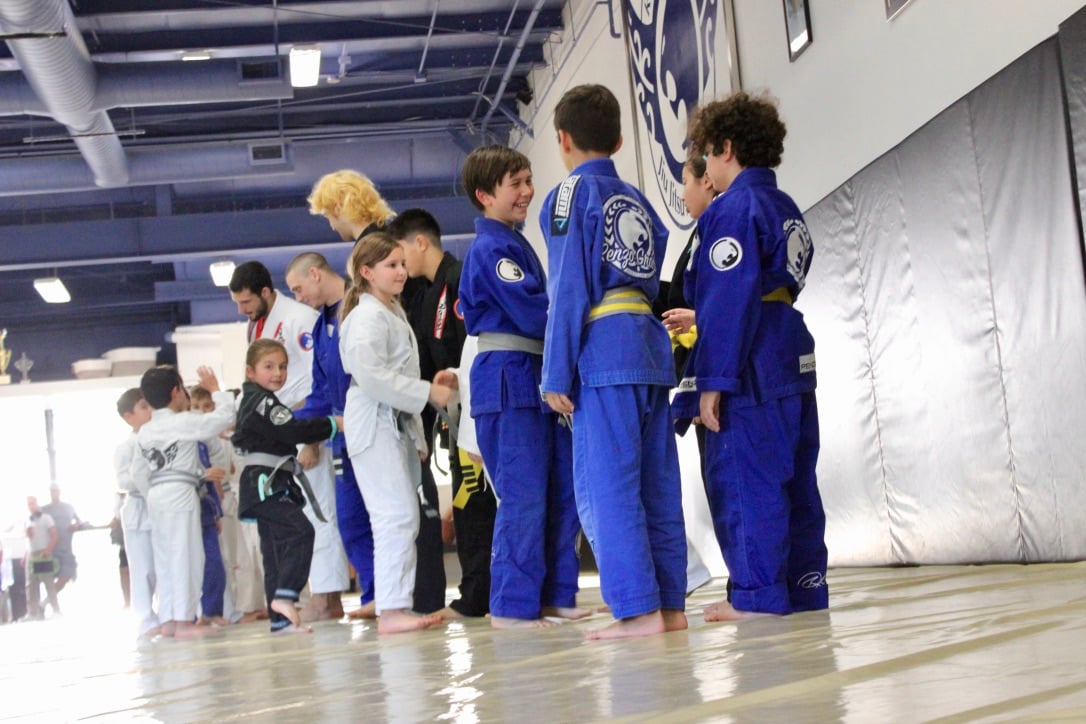
JUNIORS
JIU-JITSU
(Ages 11–14)
Confidence, Leadership & Real Skills for the Middle School Years
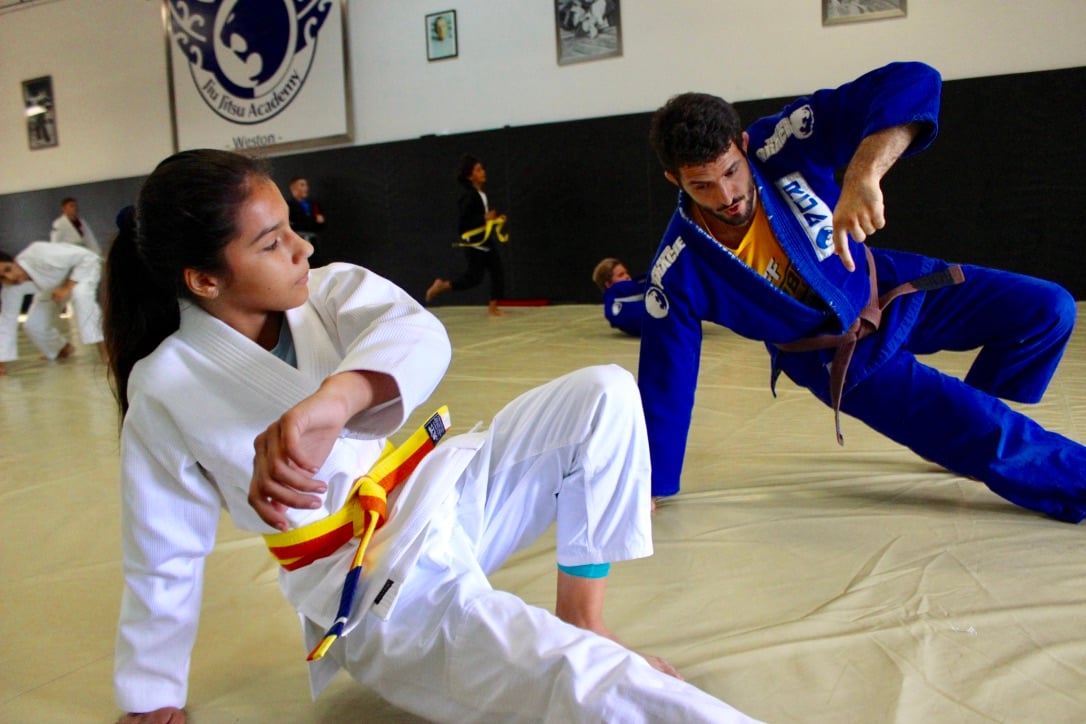
Discover Our Unique Approach
This stage of life is where confidence, identity, and emotional maturity form. Juniors Jiu-Jitsu gives students the structure, discipline, and empowerment they need to thrive in school, sports, and daily life.
Benefits for Juniors
Real and effective Jiu-Jitsu & self-defense
Mental resilience and emotional control
Increased focus and improved academic habits
Confidence that naturally reduces bullying
Values: respect, responsibility, humility & discipline
Why teens love it

-
They feel stronger, more confident, and more capable
-
Training gives them a positive outlet for stress and emotions
-
They enjoy learning real self-defense skills they can trust
-
They become part of a team and community where they feel included
-
They see clear progress through belt promotions and skill development
-
They like the challenge and the sense of achievement after each class
-
They build friendships with peers who share similar goals
-
It boosts their athletic performance and overall fitness
Why Parents Love Our Classes
-
Teens develop confidence and independence in healthy ways
-
Noticeable improvements in discipline, responsibility, and behavior
-
A safe space away from screens, social media, and negative influences
-
Reinforces respect, focus, and emotional control
-
Helps reduce anxiety and improve overall mental health
-
Encourages better communication and positive social circles
-
Builds habits of consistency, commitment, and accountability
-
Promotes physical fitness, strength, and healthy routines
-
Parents trust the certified instructors and structured environment